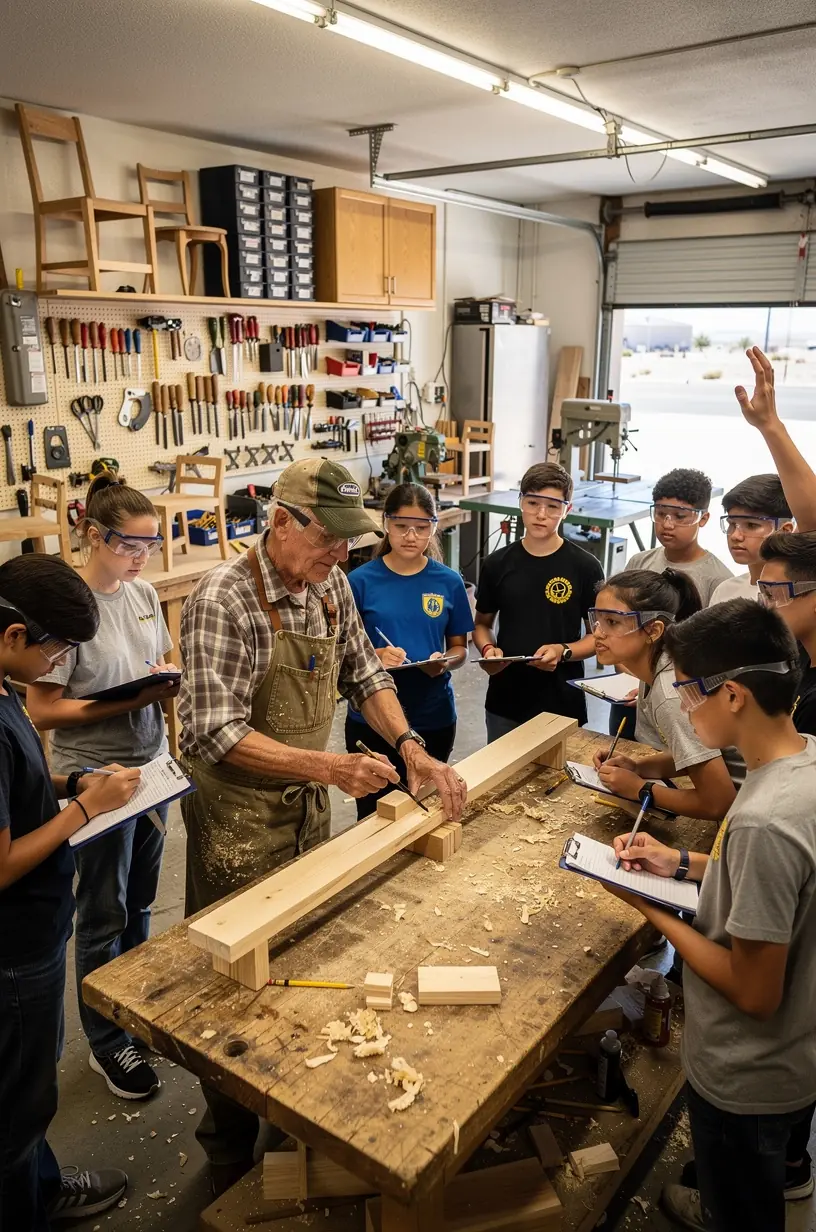
Step-by-Step Guide to Designing a Woodworking Project
Embarking on a woodworking project can seem daunting, but with the right approach, it can be an enjoyable and rewarding experience. This guide provides a structured method for designing your next woodworking project, ensuring you have a clear plan and understanding of the necessary steps involved.
Understanding the Basics
Before diving into the details of your project, it's essential to grasp the fundamentals of woodworking design. According to industry experts, successful woodworking projects often begin with a clear vision and a well-documented plan. This phase involves identifying your project's purpose, required materials, and tools.
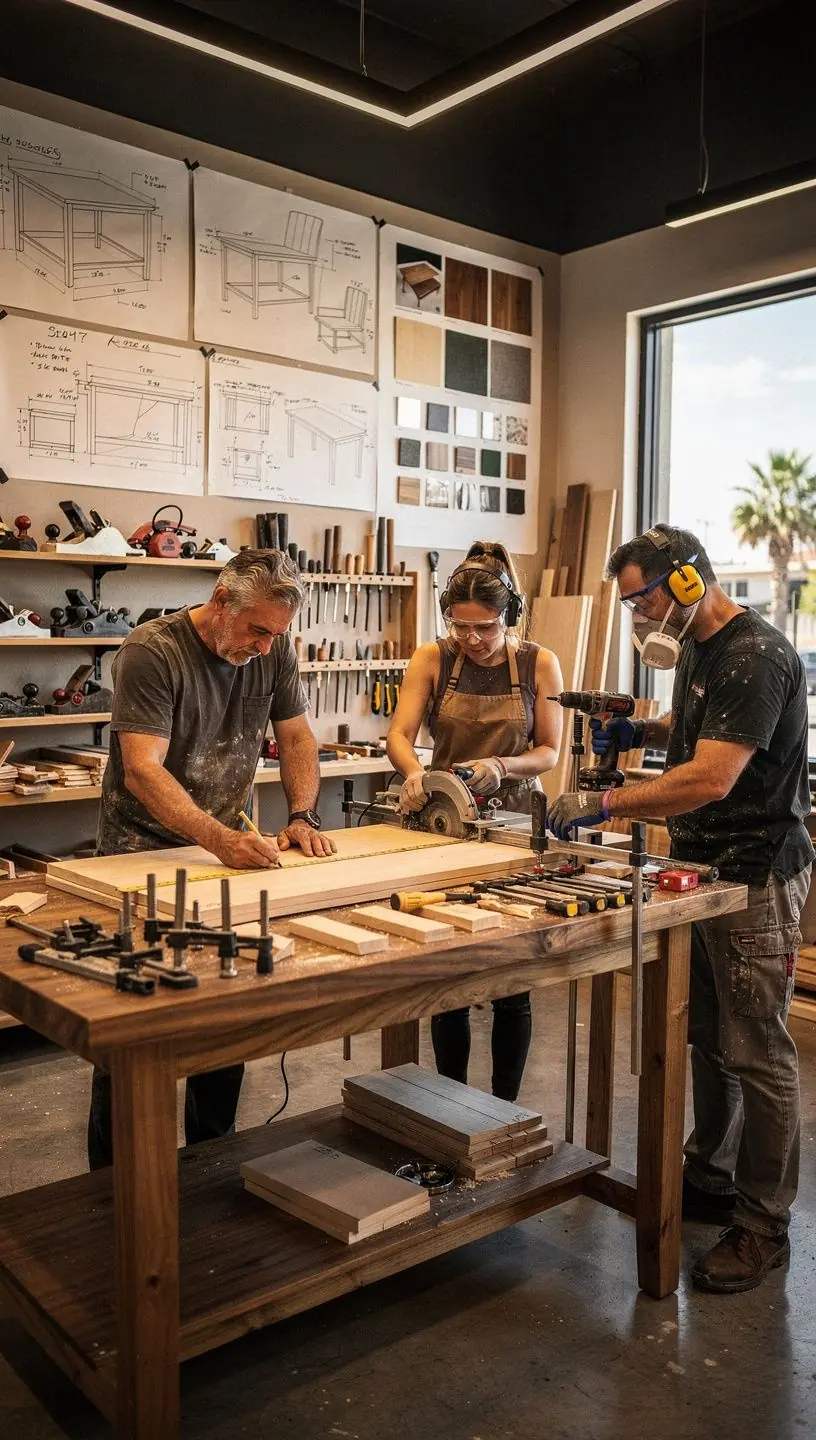
"A well-defined plan is crucial for the success of any woodworking project, as it helps to visualize the final outcome and streamline the building process."
Step 1: Define Your Project
The first step in designing your woodworking project is to clearly define what you want to create. Many users report that projects tend to flow more smoothly when they have a specific goal in mind. Consider the following:
- Functionality: What purpose will your project serve? Will it be a piece of furniture, a decorative item, or a tool?
- Space Considerations: Where will this project be placed? Understanding the environment can influence design choices.
- Skill Level: Assess your own skills and knowledge. Certain projects may require advanced techniques or tools not suitable for beginners.
Step 2: Gather Resources
Once you have a clear project idea, it's time to gather the necessary resources. This step typically involves:
- Materials: Research types of wood that are suitable for your project. For example, hardwoods like oak or maple are often recommended for furniture due to their durability.
- Tools: Identify the tools you will need. Many woodworking projects require a combination of hand and power tools, which can range from saws to sanders.
- Plans and Guides: Utilize resources such as woodworking books, online tutorials, or workshop classes that can provide valuable insights and plans.
Step 3: Create a Design Plan
With your resources in hand, the next step is to create a detailed design plan. Experts recommend sketching your project, including dimensions and any specific features. This plan will serve as your blueprint during construction.
When designing, consider:
- Measurements: Accurate measurements are crucial. It is advisable to double-check dimensions before cutting any materials.
- Joinery Techniques: Research various joinery methods suitable for your project, as this can significantly impact both appearance and structural integrity.
- Finishes: Think about how you want your project to look upon completion. Choosing the right finishes can enhance the beauty of the wood and protect it from wear.
Step 4: Build and Refine
After finalizing your design, the building phase begins. This process often requires patience and attention to detail. Many users find that taking the time to refine each step improves the quality of the final product. Be prepared for a learning curve, especially if you are trying out new techniques or tools. Here are some considerations:
- Safety: Always prioritize safety by using protective gear and working in a well-ventilated area.
- Adjustments: Don’t hesitate to make adjustments as you go. Wood can behave unpredictably, and flexibility in your design can lead to better results.
- Finishing Touches: After assembly, spend time sanding and applying finishes to enhance the final appearance and durability of your project.
Conclusion
Designing a woodworking project involves a series of thoughtful steps that can greatly influence the outcome. By defining your project, gathering resources, creating a design plan, and building with care, you set yourself up for success. Remember, woodworking is as much about the journey as it is about the final product. With practice and dedication, you can enhance your skills and continue to tackle more complex projects in the future.
Learn More