The Basics of Woodworking Finishing Products
Woodworking finishing products play a crucial role in enhancing the aesthetic appeal and durability of wooden projects. In this article, we will explore the different types of finishing products, their applications, and best practices for achieving optimal results.
Understanding the Basics of Wood Finishing
Finishing wood involves applying a protective layer that enhances its appearance while providing resistance to wear, moisture, and stains. According to industry experts, selecting the right finishing product can significantly influence the longevity and beauty of your project. Common types of finishes include varnishes, oils, and lacquers. Each type serves a distinct purpose and is suitable for various applications.
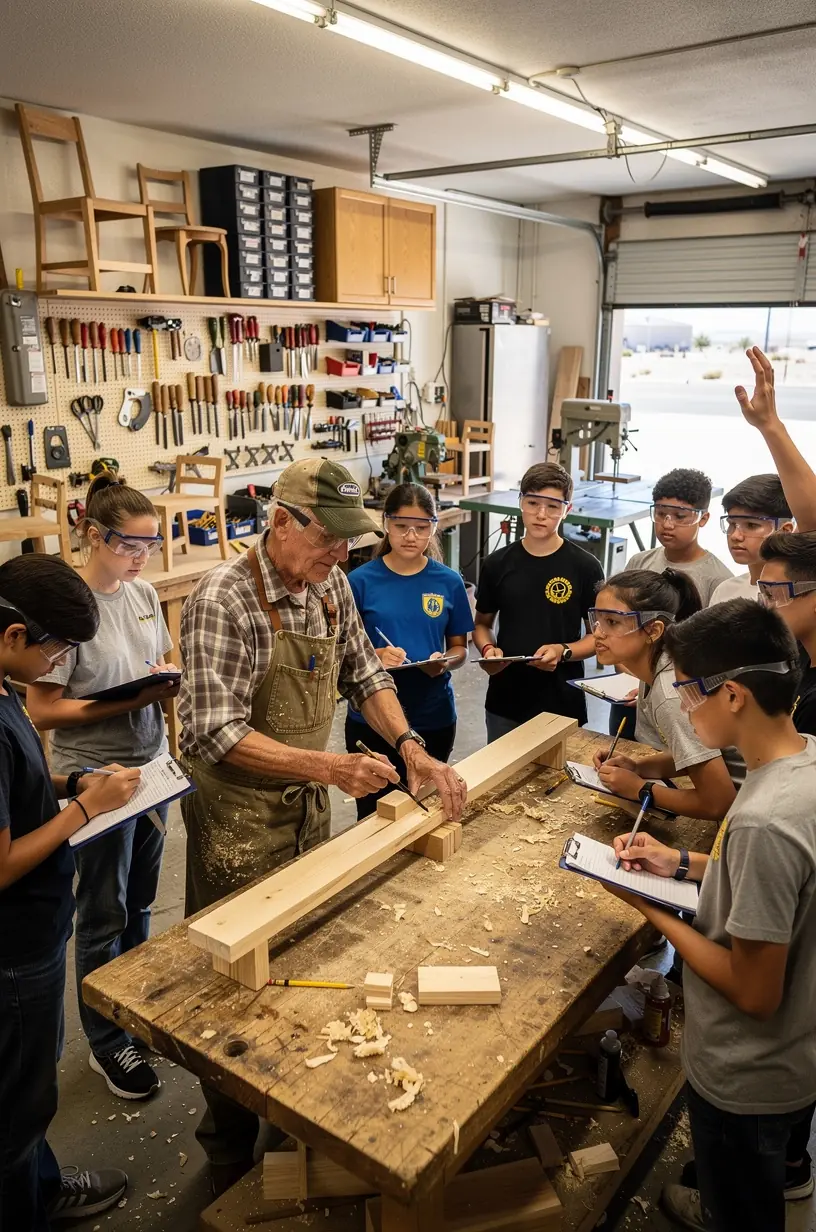
"Choosing the right finish not only protects your wood but also brings out its natural beauty." — Woodworking Expert
Types of Wood Finishing Products
Here are some widely used finishing products in woodworking:
- Varathane or Varnish: This finish provides a hard, protective shell and is ideal for furniture, as it resists scratches and spills.
- Wood Oil: Often used for its deep penetration, wood oils like linseed or tung oil nourish the wood while enhancing its natural grain.
- Lacquer: Known for its fast-drying properties, lacquer is often favored in professional settings, offering a high-gloss finish.
Choosing the Right Finish
Selecting a finish depends on several factors, including the type of project, desired look, and environmental conditions. For instance, varnishes are typically recommended for high-traffic items due to their durability, while oils may be more suitable for decorative pieces that benefit from a natural look. Research indicates that finishes with UV protection can prevent fading and are ideal for outdoor furniture.
Application Techniques
Proper application of finishing products is essential for achieving the best results. Here are some practical tips:
- Preparation: Start with a clean, sanded surface to ensure maximum adhesion of the finish.
- Application Method: Use a brush, cloth, or spray, depending on the product and the desired finish. Many users report that brushes can provide a more controlled application.
- Curing Time: Allow sufficient drying time between coats, typically 24 hours, to achieve a durable finish.
Common Mistakes to Avoid
Even seasoned woodworkers can overlook key steps in the finishing process. Here are some common pitfalls:
- Skipping surface preparation can lead to adhesion issues and an uneven finish.
- Applying too many coats too quickly may result in a tacky surface that doesn’t cure properly.
- Using incompatible products can cause chemical reactions, leading to damage.
Conclusion
Understanding the basics of woodworking finishing products can significantly enhance the quality and durability of your projects. By selecting the appropriate finish and applying it correctly, you can achieve results that not only protect but also beautify your wooden creations. Remember to allow adequate time for curing and always perform thorough surface preparation for the best outcomes.
Learn More