How to Plan and Execute a Woodworking Project
Woodworking can be a rewarding hobby or profession, but successful projects require careful planning and execution. This guide aims to provide you with practical insights on how to effectively manage your woodworking endeavors.
Understanding the Basics of Woodworking Projects
Before diving into a woodworking project, it’s essential to understand the foundational principles. According to industry experts, a well-planned project often begins with defining a clear goal and gathering necessary materials. This foundational step can help in avoiding common pitfalls, such as running out of materials or miscalculating dimensions.

"A clear project outline can save both time and resources, making the woodworking process more enjoyable and efficient."
Steps to Plan Your Woodworking Project
- Define your project: Select a project that interests you and aligns with your skill level. Many users report that starting with simpler projects can build confidence and competence.
- Create a detailed plan: Draft a step-by-step guide that includes measurements, materials, and tools required. Research indicates that having a comprehensive plan can reduce errors by up to 30%.
- Gather materials and tools: Ensure you have all necessary materials before starting your project. This typically includes selected wood, fasteners, and finishing supplies. Standard practice in the field suggests using quality materials for better durability.
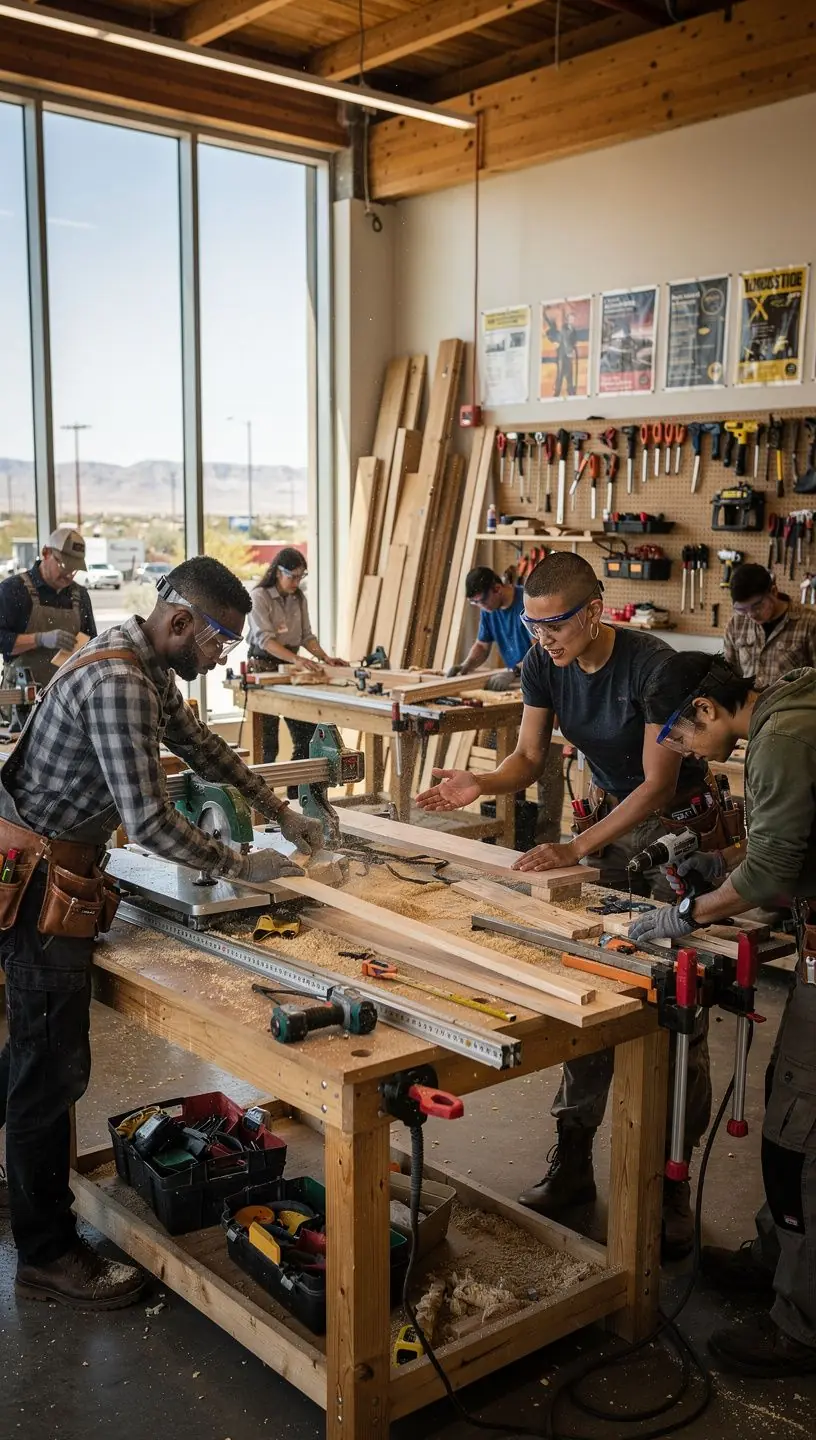
- Prepare your workspace: A clean and organized workspace enhances safety and efficiency. Experts recommend setting aside a dedicated area that is well-ventilated and free from distractions.
Executing Your Woodworking Project
Once your planning is complete, it’s time to start working on your project. Here are some critical execution tips:
- Follow your plan: Stick to your step-by-step guide, but remain flexible. Adjustments may be necessary along the way.
- Practice patience: Woodworking often requires meticulous attention to detail. Rushing can lead to mistakes; allow adequate time for each step.
- Seek support: If you encounter challenges, consider joining a woodworking community or workshop where you can gain insights and assistance. Many users find that collaborative learning can significantly enhance their skills.
Conclusion
Planning and executing a woodworking project involves a combination of clear goal-setting, detailed planning, and careful execution. By following these steps and being prepared for the learning curve, you can create beautiful and functional pieces that you’ll be proud of. Remember, many successful woodworkers emphasize that experience grows with practice and persistence.