Practical Guide to Wood Finishing Techniques
Wood finishing is an essential aspect of woodworking that not only enhances the aesthetic appeal of projects but also protects the wood from damage. This guide provides a comprehensive overview of various wood finishing techniques, helping you choose the right method for your projects.
Understanding the Basics of Wood Finishing
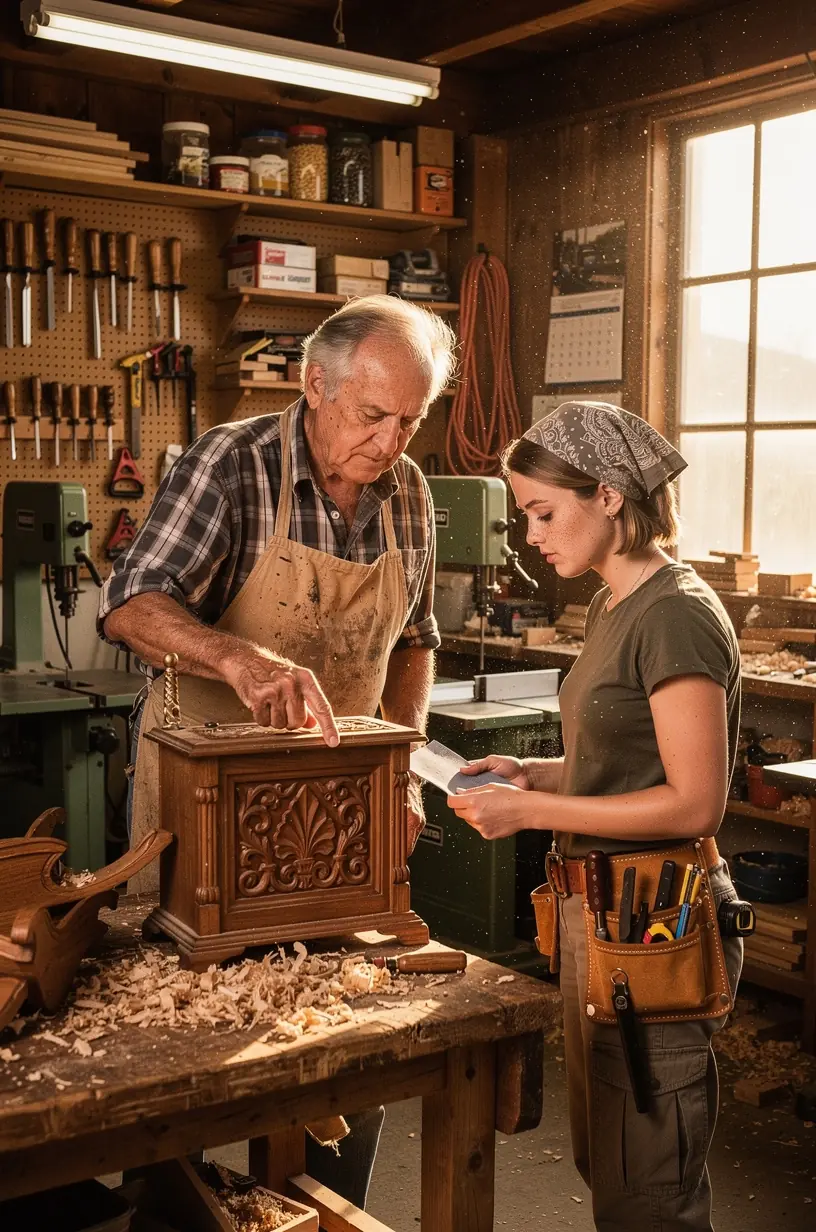
Wood finishing typically involves applying a protective coating to enhance the beauty and durability of the wood. According to industry experts, the finishing process helps to seal the wood, preventing moisture intrusion and reducing the risk of warping or cracking. The main types of wood finishes include:
- Oil finishes: These penetrate the wood fibers, providing a natural look.
- Varnishes: These create a hard protective layer on the surface.
- Shellac: A traditional finish that dries quickly and provides a warm tone.
- Water-based finishes: These are popular for their low odor and quick drying times.
"Research indicates that applying a finish can extend the life of wood by up to 50% when compared to untreated wood."
Choosing the Right Finish for Your Project
When selecting a finish, consider the wood type, the intended use of the item, and environmental factors. Here are some typical guidelines:
- For indoor furniture: Oil or water-based finishes are often recommended due to their durability and ease of application.
- For outdoor projects: Varnishes or specially formulated outdoor finishes can provide the best protection against the elements.
- For intricate carvings: Shellac can offer a fine finish that highlights details without obscuring them.
Application Techniques
The method of application can also impact the finish quality. Here are some proven approaches:
- Preparation: Always sand the wood surface properly before applying any finish. This typically involves starting with a coarser grit and moving to a finer grit, ensuring a smooth surface.
- Test First: It’s advisable to conduct a test on a scrap piece of wood to see how the finish reacts with the wood type.
- Apply Evenly: Use a brush, cloth, or spray can to apply your chosen finish in thin, even coats. Many users report better results when applying multiple thin coats rather than one thick coat.
- Drying Time: Allow adequate drying time between coats; this typically takes anywhere from 2 to 24 hours depending on the finish used.
Common Mistakes to Avoid
While wood finishing can be straightforward, there are common pitfalls to be aware of:
- Skipping Surface Preparation: Failing to sand and clean the wood can lead to an uneven finish.
- Ignoring Temperature and Humidity: Finishing in extreme temperatures or high humidity can adversely affect the finish. It’s often recommended to work in a controlled environment.
- Not Following Product Instructions: Each finish has specific requirements for application and drying times; ignoring these can result in poor adhesion or finish quality.
Conclusion
Wood finishing is a critical step in woodworking that can significantly enhance both the beauty and longevity of your projects. By understanding the types of finishes available, choosing the right method for your specific project, and applying the finish correctly, you can achieve desirable results. Remember, patience and attention to detail are key, as the finishing process can take time and effort but pays off in the quality of your final piece.
Learn More