How to Set Up a Small Woodworking Workshop
Setting up a small woodworking workshop is a fulfilling endeavor, allowing you to create bespoke items tailored to your needs. This guide will provide practical insights and considerations to help you establish an efficient workspace.
Understanding the Basics of Workshop Setup
Establishing a woodworking workshop requires careful planning and understanding of the space's purpose. According to experts in woodworking, a well-organized workshop is critical for maximizing productivity and safety. Typically, workshop setups include designated areas for tools, materials, and workspaces that allow for efficient movement.

"A well-organized workshop can enhance your woodworking experience and result in higher quality projects." - Woodworking Expert
Key Considerations When Designing Your Workshop
Before diving into the setup, consider the following key points:
- Space Allocation: Ensure that you have enough space for your tools and materials. Many users report that a minimum of 100 square feet is often required for basic setups, allowing for comfortable movement and project execution.
- Tool Selection: Start with essential tools such as a table saw, miter saw, and hand tools. According to industry standards, beginning with a few reliable tools can often yield satisfactory results without overwhelming the user.
- Electrical Needs: Ensure your workshop has appropriate electrical outlets for power tools. Experts recommend consulting an electrician to meet safety standards, especially if you are using high-powered machinery.
Practical Steps to Enhance Your Workshop Setup
To create a productive woodworking environment, follow these practical steps:
- Plan Your Layout: Designate areas for cutting, assembling, and finishing. A logical flow can minimize the time spent moving between tasks.
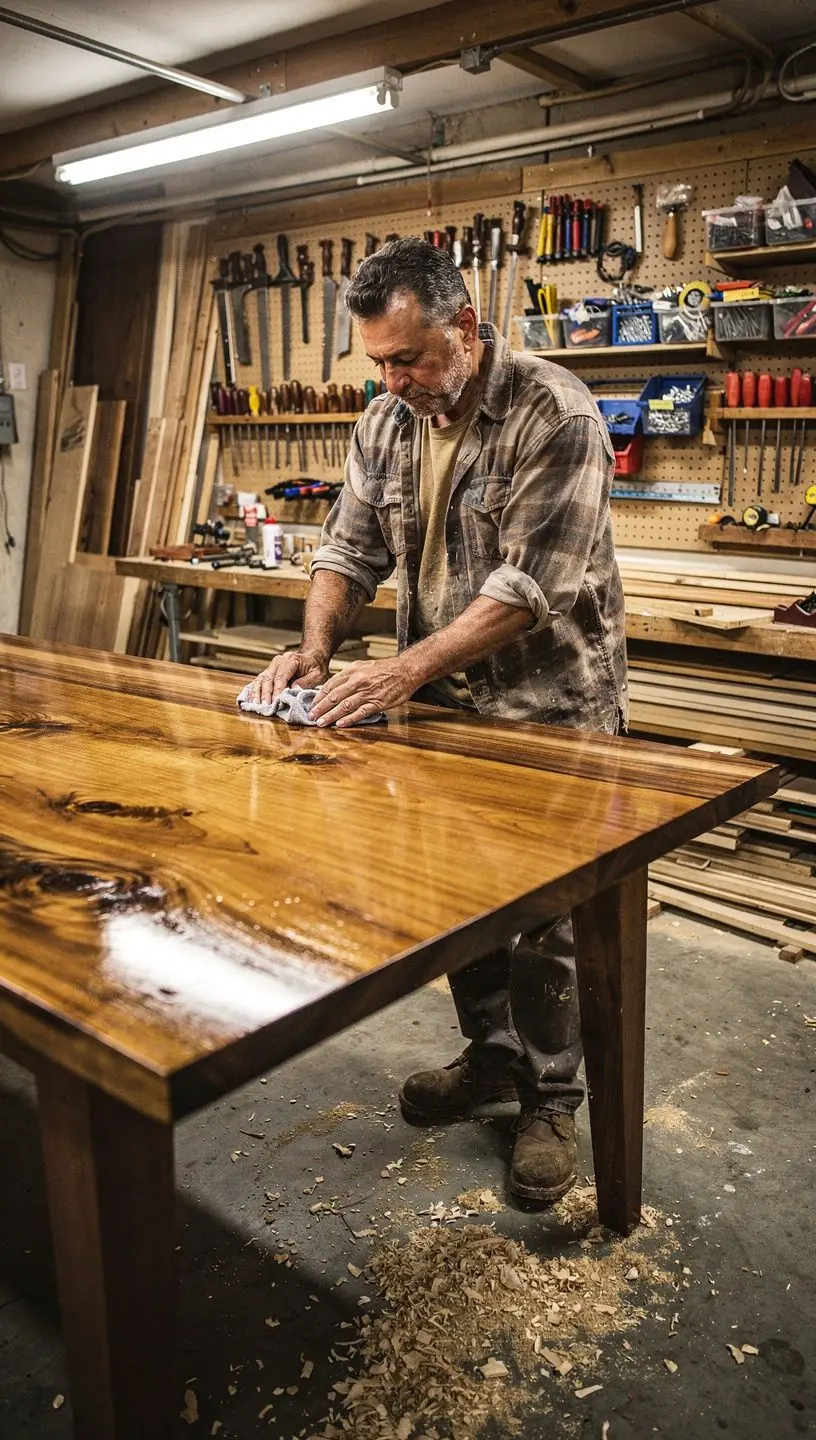
- Invest in Storage Solutions: Consider using shelving, pegboards, or cabinets to store tools and materials securely. This not only keeps the workspace organized but can also reduce the risk of accidents.
- Focus on Lighting: Adequate lighting is essential for precision work. Many users suggest using a combination of natural light and bright LED fixtures to illuminate your workspace effectively.
Common Pitfalls to Avoid
While setting up your workshop, be mindful of these common pitfalls:
- Underestimating Space Requirements: Insufficient space can limit your ability to work comfortably. In most cases, workshops that feel cramped lead to frustration and hinder creativity.
- Neglecting Safety Measures: Always prioritize safety by equipping your workshop with fire extinguishers, first-aid kits, and proper ventilation. Industry experts recommend regular safety drills to prepare for emergencies.
- Skipping Maintenance: Regular maintenance on tools and equipment is vital. This involves cleaning, sharpening, and servicing tools to ensure longevity and performance. Many users report that proactive maintenance prevents costly repairs in the long run.
Conclusion
Setting up a small woodworking workshop is an achievable goal with proper planning and consideration. By allocating space thoughtfully, selecting appropriate tools, and maintaining an organized environment, you can create a workshop that enhances your woodworking experience. Remember that patience and practice are key, as mastering woodworking skills typically requires time and dedication. Happy woodworking!