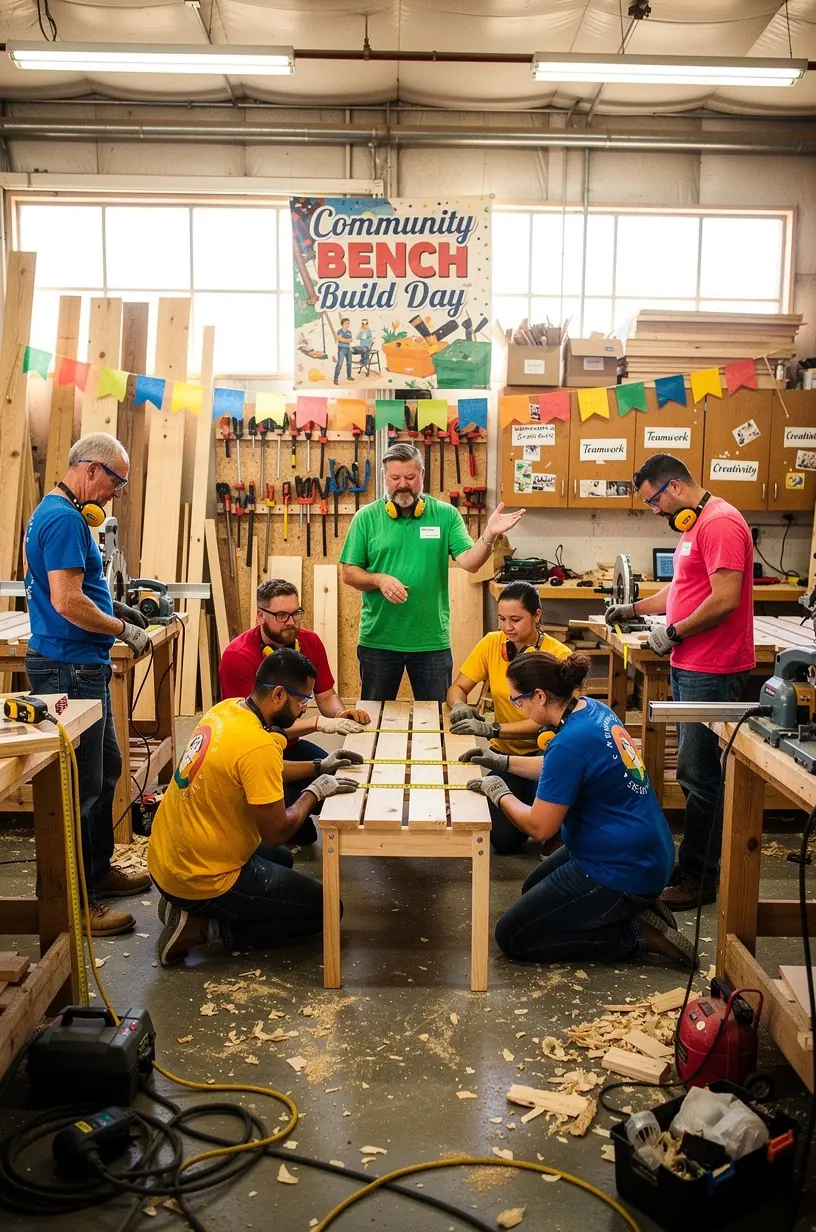
Techniques for Carving and Shaping Wood
Woodworking is a rewarding craft that allows for creativity and functional artistry. Whether you are a beginner or have some experience, learning effective techniques for carving and shaping wood can enhance your skills and the quality of your projects. In this article, we will explore various methods, tools, and best practices to help you refine your woodworking technique.
Understanding Wood Properties
Before diving into specific techniques, it’s essential to understand the basic properties of wood. Different types of wood vary in density, grain, and moisture content, which can significantly affect how they respond to carving and shaping. Experts recommend selecting the right wood type for your project to achieve optimal results. For example, softer woods like pine are easier to carve, while hardwoods like oak require more effort and specialized tools.
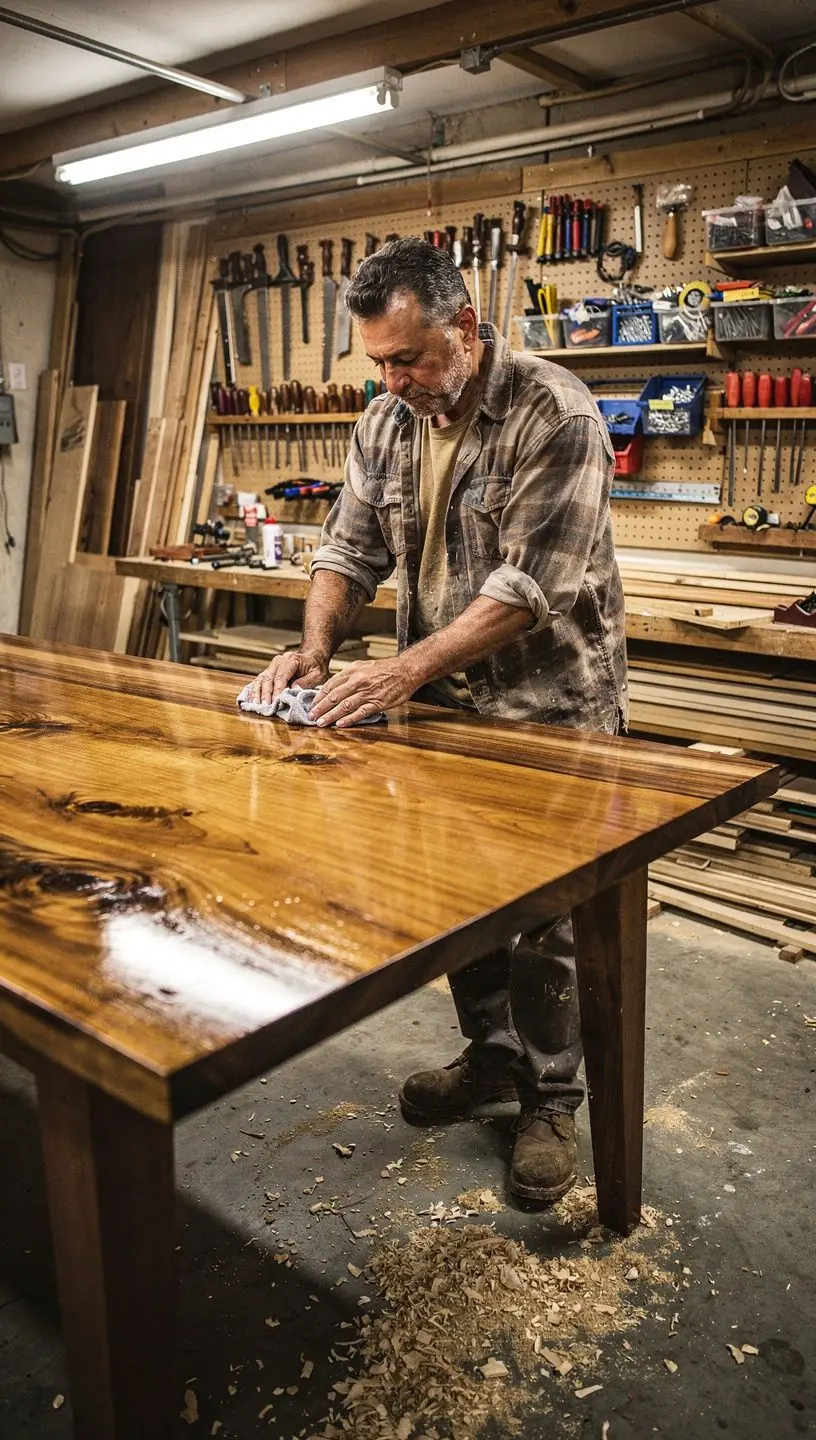
"Choosing the appropriate wood type is crucial; it can make or break your project." - Woodworking Authority.
Essential Tools for Carving
Having the right tools is fundamental in woodworking. Here are some commonly used tools for carving and shaping wood:
- Chisels: Available in various sizes, chisels are essential for detailed carving.
- Knives: A carving knife allows for precise cuts and is effective for intricate designs.
- Gouges: These tools provide deeper cuts and are ideal for removing larger amounts of wood.
- Files and Rasps: Useful for refining shapes and smoothing surfaces.
Popular Techniques for Carving
Here are some effective techniques that can help you enhance your woodworking projects:
- Whittling: This technique involves removing thin shavings from the wood surface. It is often recommended for beginners as it requires minimal tools and allows for creative expression.
- Relief Carving: A method where the design is carved into the wood surface, giving the appearance of a three-dimensional image. This technique typically requires a steady hand and patience, as it involves various chisels and gouges.
- Chip Carving: This technique involves removing small chips from the wood to create patterns or designs. It’s an effective way to improve hand-eye coordination and precision, as it often demands consistent depth in cuts.
Shaping Techniques to Consider
In addition to carving, shaping wood is another vital aspect of woodworking. Here are some commonly used methods:
- Planing: This involves using a hand plane or electric planer to smooth and level surfaces. Research indicates that planing can improve the wood's surface for better adhesion during finishing.
- Turning: On a lathe, wood can be shaped into round forms. This technique requires practice and can result in beautifully crafted items such as bowls and spindles.
- Shaping with Sanding: Sanding is essential for refining shapes and achieving a smooth finish. It’s important to start with coarse grit and progressively move to finer grits for the best results.
Conclusion
Mastering techniques for carving and shaping wood takes time and practice, typically requiring several weeks of consistent effort. It’s important to approach each project with an understanding of the materials and tools involved. By employing the methods outlined in this article, you can enhance your woodworking skills and create beautiful, functional pieces. Remember, the journey of learning woodworking is just as rewarding as the end product.
Learn More