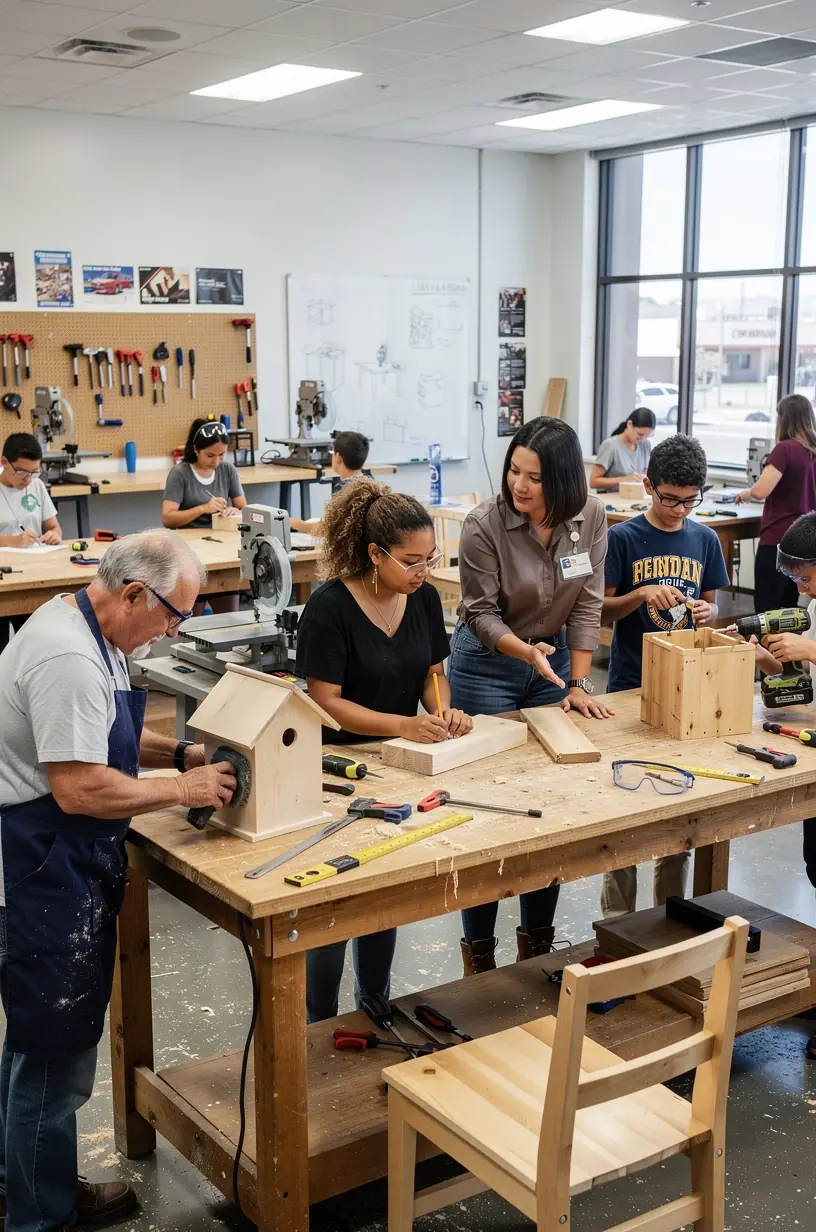
Practical Tips for Maintaining Your Woodworking Tools
Keeping your woodworking tools in good condition is essential for achieving high-quality results in your projects. This article offers practical maintenance tips based on expert recommendations and best practices to help extend the lifespan of your tools.
Understanding the Importance of Tool Maintenance
Proper maintenance of woodworking tools is crucial for several reasons. According to industry experts, regular upkeep can significantly enhance the performance and longevity of your tools, resulting in smoother cuts and more precise results. Studies show that well-maintained tools can lead to a productivity increase of around 20-30% in similar contexts.
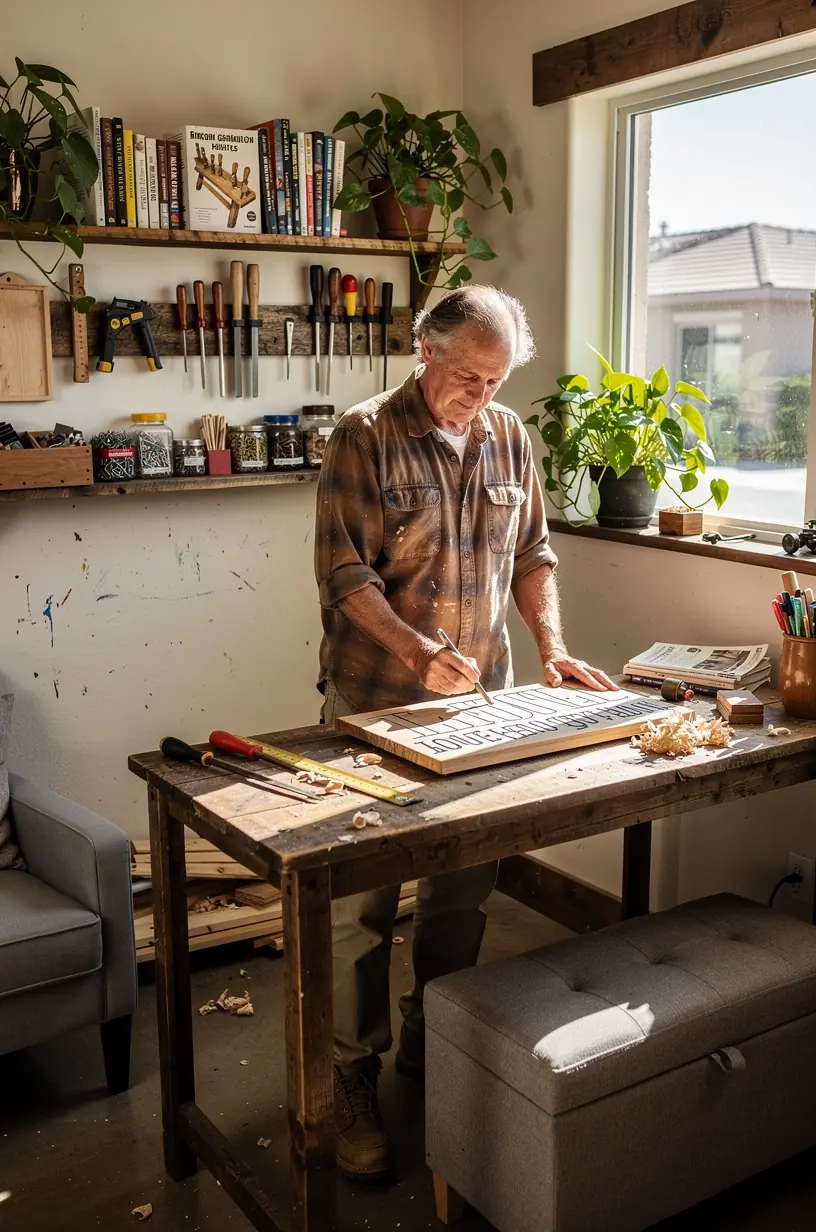
"Regular maintenance not only improves tool performance but also ensures safety during woodworking projects."
Essential Maintenance Practices
To keep your woodworking tools in top shape, consider implementing the following maintenance practices:
- Cleaning: After each use, clean your tools to remove sawdust, resin, and other debris. This typically requires a soft brush and a cloth. In most cases, neglecting this step can lead to rust and decreased efficiency.
- Sharpening: Regularly sharpen blades and bits. Experts recommend sharpening tools every few uses, depending on frequency and intensity of use. Dull tools not only perform poorly but can also be dangerous.
- Lubrication: Apply appropriate lubricants to moving parts. This can help reduce friction and wear. In many woodworking shops, this step is often overlooked, but it can extend the life of your tools.
Inspecting Your Tools
Regular inspection is a key part of maintenance. Experts suggest checking for wear and damage at least once a month. Look for:
- Cracks or chips in blades.
- Loose or worn handles on hand tools.
- Signs of rust or corrosion.
By identifying issues early, you can address them before they lead to more significant problems or accidents.
Storage Solutions
How you store your tools can significantly impact their longevity. Store tools in a dry environment to prevent rust. Many users recommend using tool chests, pegboards, or magnetic strips to keep tools organized and easily accessible.
This approach works best when you create a dedicated workspace that allows for proper ventilation and reduces exposure to humidity.
Conclusion
Maintaining your woodworking tools requires consistent effort, but the benefits far outweigh the investment of time. Regular cleaning, sharpening, lubrication, and inspection can help enhance performance and safety, ensuring that your projects achieve the desired results. Remember that starting with a solid maintenance routine typically takes time, but many users report that it quickly becomes second nature, leading to a more productive woodworking experience.
Learn More