Fundamentals of Measuring and Marking Wood
Measuring and marking wood accurately is a fundamental skill in woodworking. This article explores the essential techniques and tools to help you achieve precise measurements, leading to successful projects.
Understanding the Basics
Effective measuring and marking are critical for any woodworking project. According to industry standards, a slight error in measurement can lead to significant issues during assembly. Experts recommend taking your time with measurements, as this attention to detail can drastically improve the quality of your work.
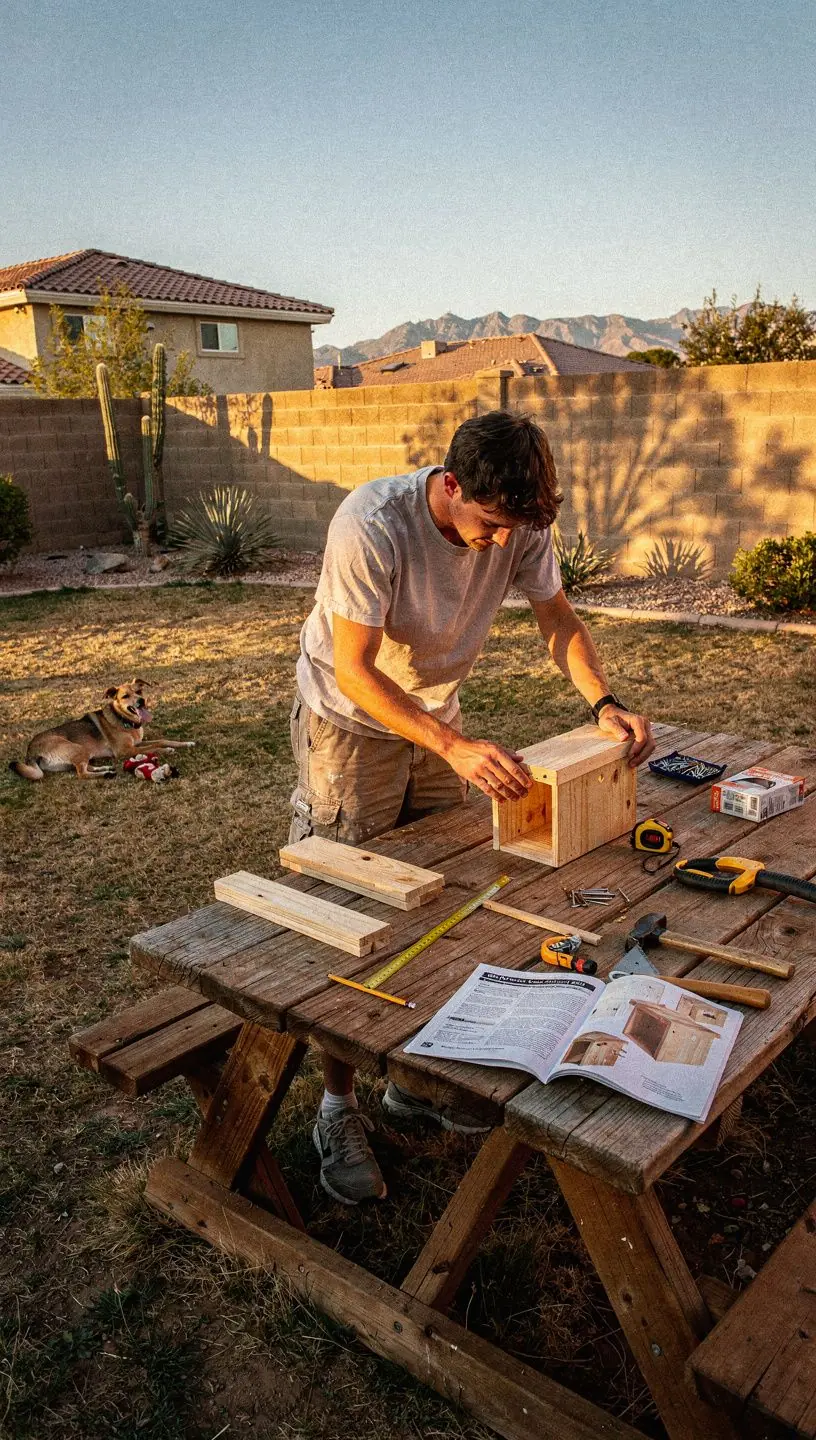
"Accurate measurements are the foundation of successful woodworking. A small mistake can lead to larger problems down the line." - Industry Expert
Essential Tools for Measuring
To measure wood correctly, you’ll need a few basic tools. Here’s a list of tools often recommended by woodworking experts:
- Tape Measure: Versatile and essential for measuring longer pieces of wood.
- Square: Ensures right angles and can be used for marking straight lines.
- Calipers: Useful for precise measurements, especially when working with smaller components.
- Marking Knife: Provides a cleaner, more precise line than a pencil, as it creates a small groove in the wood.
Marking Techniques
Once you have measured your wood, the next step is marking. Here are some techniques that can help ensure accuracy:
- Using a Straight Edge: Align a straight edge along your measurement before marking to ensure a straight line.
- Lightly Score the Line: Use a marking knife to score your measurement lightly. This helps guide your saw and reduces tear-out.
- Double-Check Your Measurements: Before making any cuts, always double-check your measurements. Studies show that this practice can reduce errors by up to 30%.
Acknowledging Limitations
While mastering measuring and marking takes practice, it typically requires a time commitment to develop proficiency. In most cases, beginners may find a learning curve, especially when it comes to using tools effectively. Additionally, these techniques work best when you have a good understanding of the grain and properties of the wood you are working with. It's essential to recognize that while these methods are effective, they may not be suitable for every project or material.
Conclusion
In summary, measuring and marking wood accurately is crucial for successful woodworking. By investing time in learning and practicing these skills, you can enhance the quality of your projects. Remember, the goal is to achieve reliable measurements and marks that will guide your work effectively. Following these principles and using the right tools can lead to more precise and satisfying results in your woodworking endeavors.
Learn More