Introduction to Woodworking Safety Practices
Woodworking can be a rewarding and enjoyable hobby or profession, but it also poses certain risks. Understanding and implementing safety practices is crucial for anyone participating in woodworking workshops. This article provides essential insights into effective safety measures that can help mitigate risks and enhance the woodworking experience.
Understanding the Basics of Woodworking Safety
Woodworking safety practices are designed to protect individuals from accidents and injuries while using tools and equipment. According to the Occupational Safety and Health Administration (OSHA), the woodworking industry has a higher rate of workplace injuries than many other sectors. This highlights the importance of implementing effective safety protocols.
"Safety is not just a priority; it is a fundamental practice that ensures everyone can enjoy woodworking without fear of injury."
Essential Safety Gear
One of the first steps in creating a safe woodworking environment is to wear appropriate personal protective equipment (PPE). Industry experts recommend the following essential safety gear:
- Safety glasses - These help protect your eyes from flying debris.
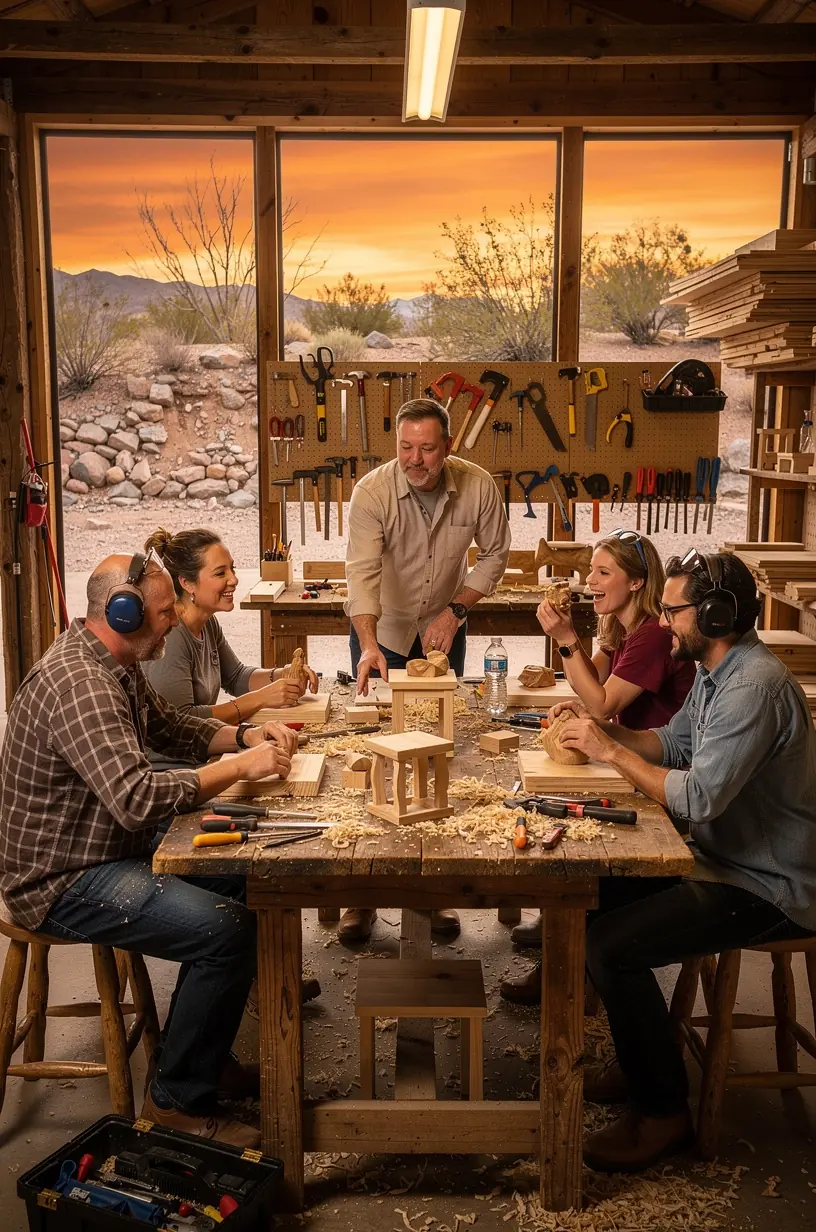
- Hearing protection - Earplugs or earmuffs can reduce the risk of hearing damage when using loud equipment.
- Dust masks - These are important for preventing respiratory issues caused by fine wood dust.
- Gloves - While they offer hand protection, it's essential to choose gloves that are suitable for the specific tasks at hand.
Tool Safety Practices
Using tools correctly is vital to maintaining a safe woodworking environment. Here are some recommended practices:
- Read the manual - Always familiarize yourself with the manufacturer's instructions for each tool before use.
- Inspect tools - Regularly check tools for wear and damage. Tools that are in poor condition can lead to accidents.
- Keep the workspace organized - A clutter-free environment reduces the chances of accidents. Ensure that tools are returned to their proper places after use.
- Use push sticks and guards - These accessories can help keep your hands at a safe distance from cutting blades.
Training and Education
Participating in training programs is a highly effective way to improve woodworking safety. Many workshops offer safety courses that cover:
- Proper tool use
- Emergency procedures
- Basic first aid for common woodworking injuries
Experts recommend that even experienced woodworkers refresh their knowledge regularly, as safety practices and standards can evolve over time.
Conclusion
Woodworking can be an enjoyable and fulfilling activity when safety practices are prioritized. By understanding the importance of using the right safety gear, implementing proper tool usage, and participating in training programs, woodworkers can significantly reduce the risk of accidents. Remember, safety is an ongoing commitment that requires attention and dedication, but it ultimately leads to a more rewarding woodworking experience.
Learn More