Understanding Essential Woodworking Tools
Woodworking is an art that combines creativity with craftsmanship. Understanding the essential tools can significantly enhance your woodworking experience, whether you're a novice or an experienced artisan. In this article, we will explore the fundamental tools needed for woodworking, their uses, and tips for effective utilization.
Understanding the Basics
Woodworking tools can be categorized into hand tools and power tools. Hand tools are often preferred for their precision and control, while power tools offer speed and efficiency. According to industry standards, many woodworkers recommend starting with hand tools for beginners, as they help build foundational skills and an understanding of wood properties.
"Mastering hand tools can provide a deeper appreciation for the craft of woodworking." - Woodworking Experts
Essential Hand Tools
- Chisels: Used for carving and shaping wood, chisels come in various sizes. Typically, a set with different widths is ideal for versatility.
- Saws: Handsaws, coping saws, and dovetail saws are essential for cutting wood. Experts suggest starting with a quality handsaw for accuracy and control.
- Planes: These tools are used to flatten and smooth wood surfaces. Proper technique is crucial, as incorrect usage can lead to uneven surfaces.
Essential Power Tools
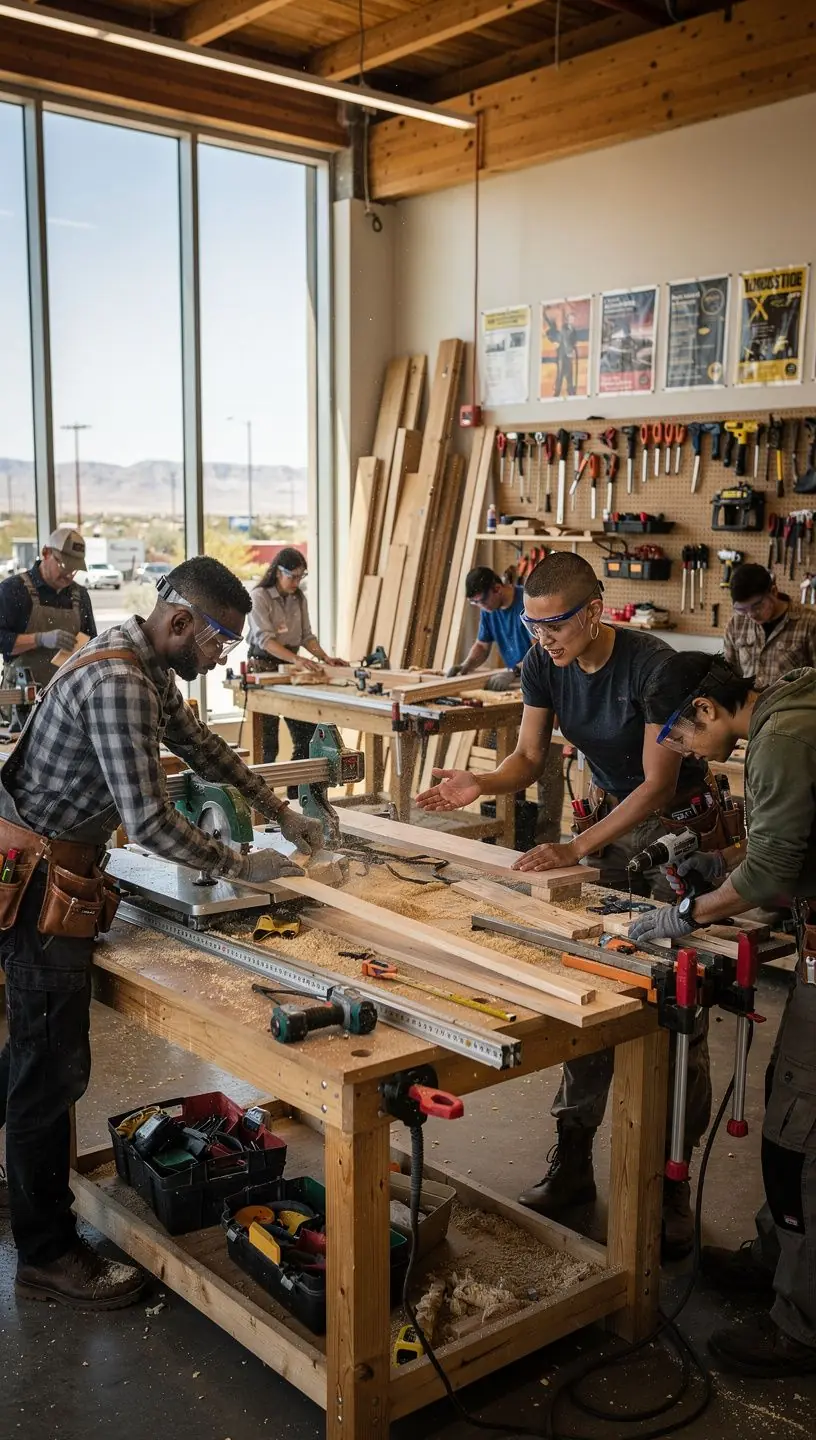
Power tools can significantly expedite the woodworking process. However, they also require a learning curve and safety precautions. In many cases, users report that before using power tools, they benefit from practicing with hand tools.
- Table Saw: This tool is invaluable for making precise cuts. It is recommended for users who have mastered basic sawing with hand tools.
- Router: Ideal for hollowing out areas in wood, routers can create decorative edges. They require careful handling and understanding of the tool's capabilities.
- Drill: A drill is essential for making holes, whether for screws or dowels. It can improve efficiency and accuracy in project assembly.
Choosing the Right Tools for Your Projects
When selecting tools, consider the type of projects you wish to undertake. Many woodworkers find it beneficial to invest in quality tools over quantity. This approach not only improves results but also enhances the overall woodworking experience. Research indicates that using well-made tools can improve accuracy by up to 30% compared to lower-quality alternatives.
Conclusion
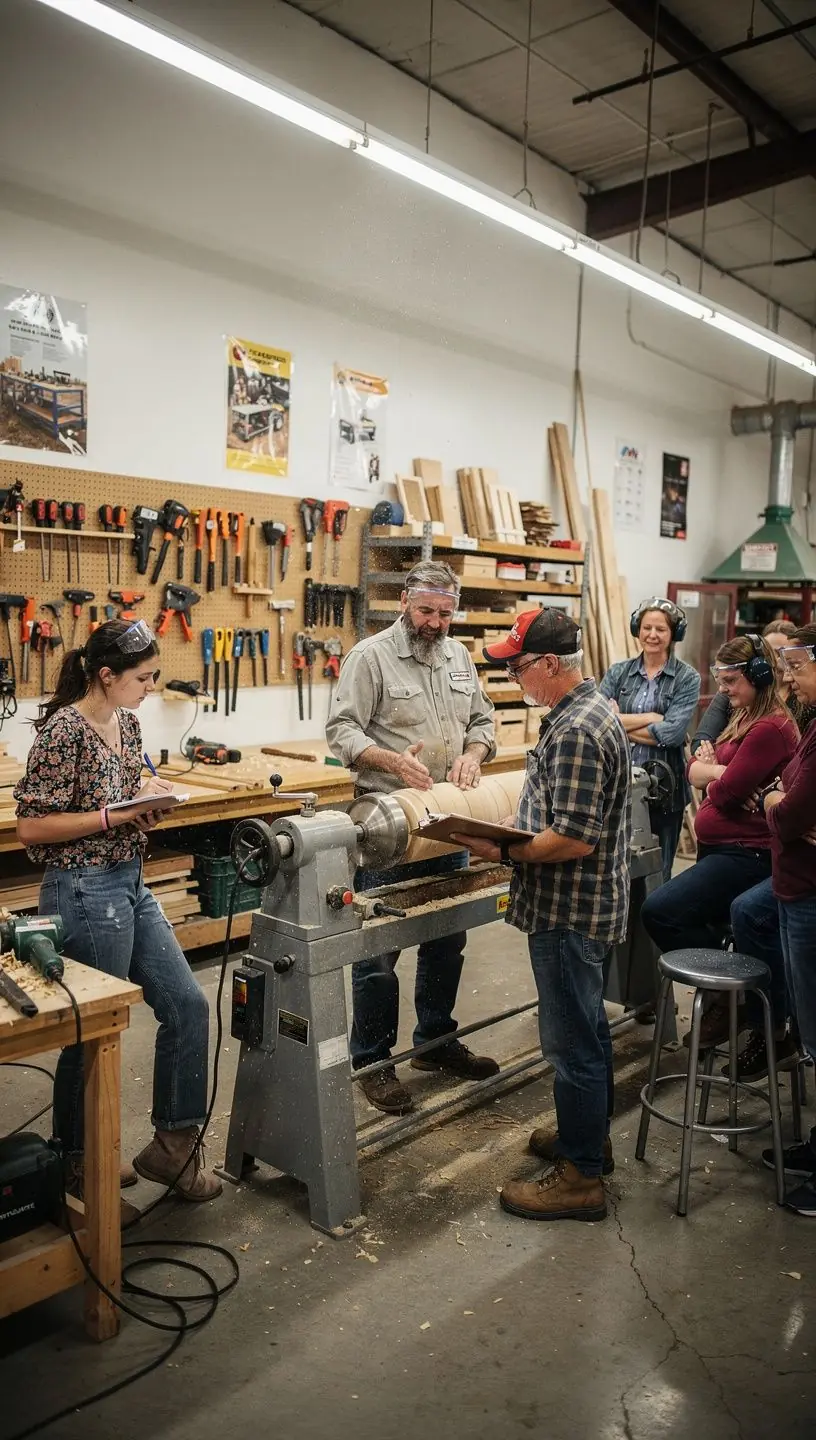
Understanding essential woodworking tools is an important step in your woodworking journey. By familiarizing yourself with both hand and power tools, you can enhance your skills and take on more complex projects with confidence. Remember, practice is key, and starting with the right tools can make the learning process more enjoyable. Whether you are attending workshops or learning independently, these insights can help you navigate your woodworking endeavors more effectively.