Exploring Different Types of Joinery Methods
Joinery is a fundamental aspect of woodworking that can significantly impact the strength and aesthetics of a project. In this article, we explore various joinery methods, their applications, and the tools and training required to master them.
Understanding the Basics of Joinery
Joinery methods refer to the techniques used to connect two or more pieces of wood together. According to experts in woodworking, the choice of joinery can affect both the structural integrity and the appearance of the final product. Common joinery methods include butt joints, dovetail joints, and mortise and tenon joints, each serving distinct purposes.
"The right joinery technique can enhance both the strength and beauty of a woodworking project." - Woodworking Expert
Types of Joinery Methods
- Butt Joint: This is the simplest form of joinery, where two pieces of wood are joined at the ends. While easy to execute, butt joints are not the most durable. Studies show that they are often reinforced with screws or nails to improve strength.
- Dovetail Joint: This method is highly regarded for its aesthetic appeal and strength. Dovetail joints are often used in drawers and cabinets. Experts recommend this technique for projects that require durability, as it interlocks the wood, preventing separation.
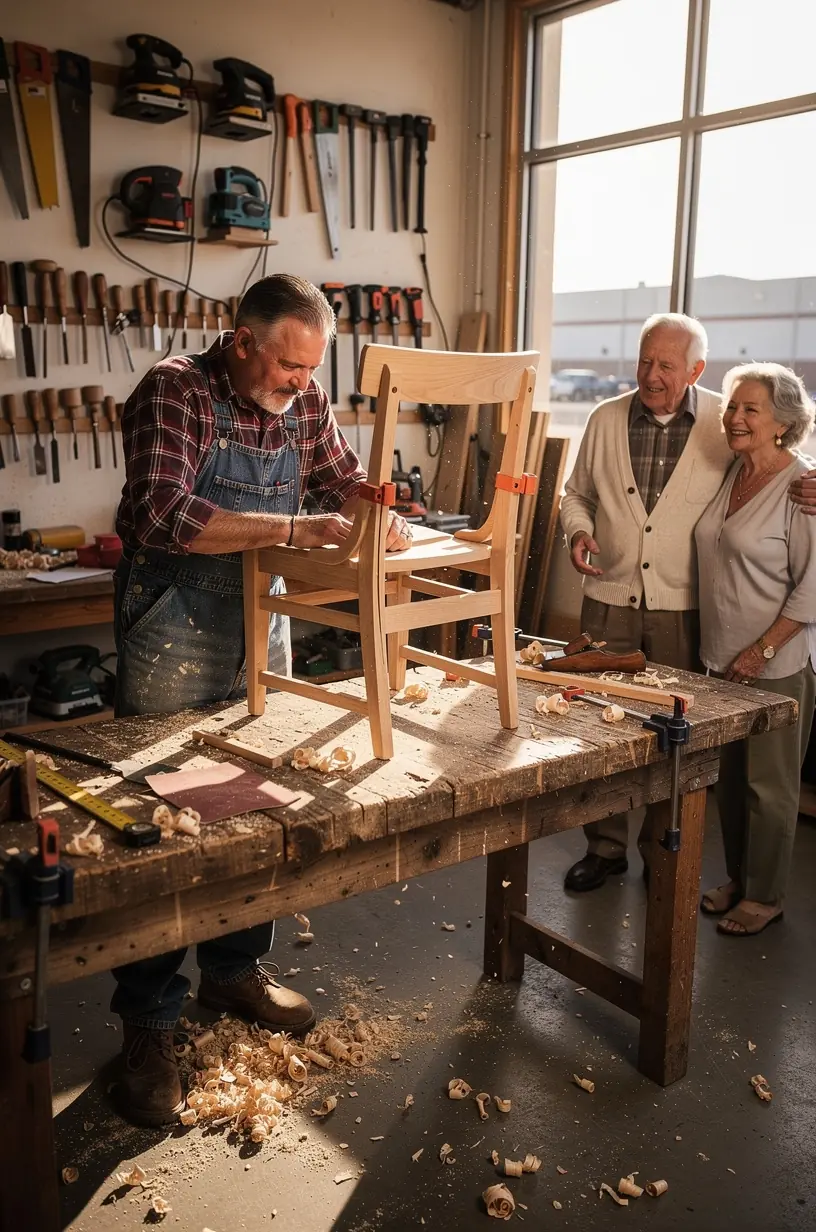
- Mortise and Tenon Joint: A traditional method that provides exceptional strength, mortise and tenon joints are well-suited for frame construction. This method can be complex and often requires practice to perfect. Many users report a significant learning curve, but the results are often rewarding.
Tools and Training for Joinery Techniques
To effectively utilize various joinery methods, having the right tools is essential. Common tools include:
- Chisels: Used for creating precise cuts in the wood.
- Saws: Essential for cutting pieces to size.
- Clamps: Important for holding pieces together while the joint is being secured.
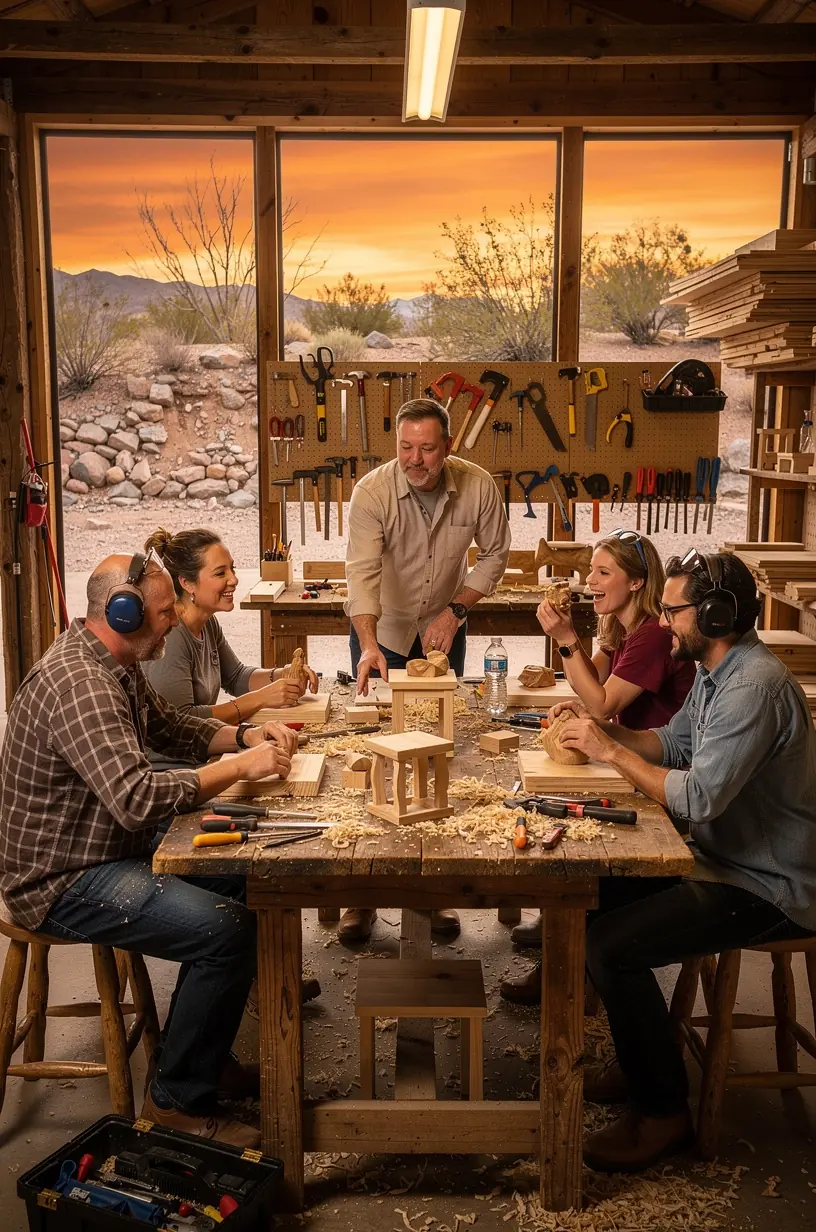
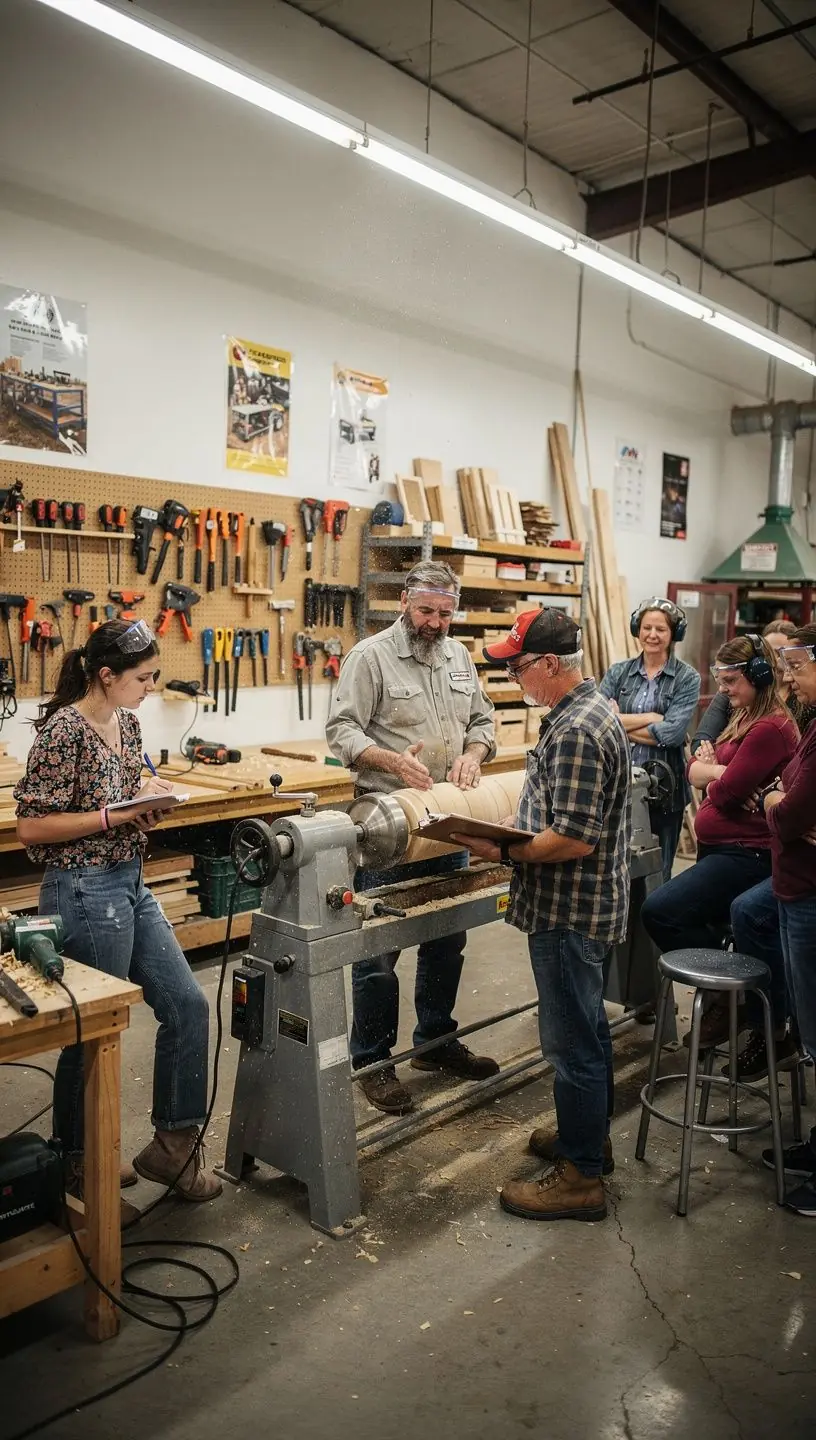
Training programs that focus on joinery techniques are available through woodworking workshops like those offered at Kalnvaire. These workshops typically span several weeks, allowing participants to practice their skills under expert supervision.
Practical Application of Joinery Methods
When applying joinery techniques, it’s crucial to consider the following factors:
- Material Selection: Different woods have varying densities and behaviors. It's essential to choose a wood type that complements the chosen joinery method.
- Joint Preparation: Each joinery method requires specific preparation techniques. For instance, dovetail joints often need precise measurements to ensure a perfect fit.
- Finish Application: After assembly, finishing techniques such as sanding and staining can enhance the appearance of the joints. Research indicates that a proper finish can protect the wood and prolong the lifespan of the project.
Conclusion
Understanding different types of joinery methods is vital for anyone looking to enhance their woodworking skills. Each method has its strengths and weaknesses, and the choice depends largely on the specific project requirements. While mastering these techniques may require time and dedication, the knowledge gained can significantly improve both the quality and longevity of your woodworking projects. Consider participating in a workshop to further your skills and gain hands-on experience with expert guidance.
Learn More